


Transform Your Relationship with Money

Learn to make smart financial decisions that improve your quality of life every day. Practical and accessible education on household economics.

Start Your Financial Journey
Family planning household budget
Household economics concept

What is Household Economics?

Household economics is the art of managing home resources intelligently and sustainably. It's not about deprivation, but about making informed decisions that maximize your well-being and that of your family.

At Avanzaencalma, we believe everyone deserves access to practical financial knowledge. We teach you to plan, save, and invest realistically, adapted to your particular situation and Argentina's economic conditions.

Our approach combines financial education with concrete strategies you can implement today, without prior knowledge or large initial investments.

3 Steps for Daily Financial Decisions

1. Observe and Record

Identify your real expenses for a week. Awareness is the first step toward change. Note every purchase, no matter how small, to understand your consumption patterns.

2. Analyze and Prioritize

Separate needs from wants. Establish clear priorities based on your life goals. Ask yourself: does this bring me closer to my goals or further away?

3. Act with Purpose

Implement small consistent changes. Financial transformation is a marathon, not a sprint. Celebrate every progress and adjust as you learn.

Practical Tips for Your Daily Life

Smart Shopping

Reduce up to 30% of your supermarket spending with strategic planning...

Shop with a list and never hungry. Compare prices per unit of measure, not per package. Take advantage of offers only on products you actually consume. Consider store brands for basic products. Plan weekly menus to avoid waste. Buy seasonal fruits and vegetables. Freeze portions to save time and money.

Efficient Energy

Save on your bills without sacrificing comfort...

Progressively switch to LED lighting. Unplug standby appliances. Use appliances during reduced rate hours. Adjust water heater temperature to 55°C. Take advantage of natural light during the day. Keep air conditioning filters clean. Seal windows and doors to prevent thermal losses. Use power strips with switches to cut phantom consumption.

Automatic Saving

Build your financial cushion without conscious effort...

Separate 10% of each income before spending it. Use separate accounts for different goals. Round up purchases to the next peso and save the difference. Automate monthly transfers to savings. Save salary increases before getting used to them. Apply the 50/30/20 rule: needs, wants, savings. Celebrate savings milestones to maintain motivation.

Monthly Planning

Organize your finances with a simple and effective system...

Dedicate 30 minutes at the beginning of each month to review finances. List all expected fixed and variable expenses. Assign specific budget to each category. Leave 5% margin for unexpected expenses. Review your progress weekly. Adjust categories according to real need. Document learnings to improve next month. Use free apps for tracking if comfortable.

Smart Debt

Manage financial obligations without overwhelm...

Prioritize debts by interest rate, not amount. Negotiate terms and rates with creditors. Avoid refinancing that unnecessarily extends terms. Pay more than minimum whenever possible. Consider snowball or avalanche method according to your personality. Don't acquire new debts while settling existing ones. Celebrate each debt liquidated as important achievement.

Continuous Education

Invest in your financial knowledge constantly...

Read one financial article weekly. Listen to economic education podcasts. Participate in free community workshops. Share knowledge with family and friends. Learn from own and others' mistakes without judgment. Stay updated on Argentine economy. Develop critical thinking about offers and promotions. Teach your children basic concepts early.

Featured Publications

Weekly grocery planning

Plan Your Weekly Grocery Shop in 30 Minutes

Editorial Team | January 10, 2026

Discover a proven system to organize your supermarket shopping, reduce impulsive spending, and make better use of your family budget...

Shopping planning is one of the most powerful tools to control family budget. Dedicating just 30 minutes each week can generate significant savings and reduce the stress of daily decisions.

Step 1: Quick Inventory

Before making your list, check pantry, fridge, and freezer. Note what you have and what you really need to replenish. This prevents duplicate purchases and helps you use ingredients you already own.

Step 2: Menu Planning

Design a simple weekly menu based on what you already have and what's on sale. It doesn't need to be elaborate: basic nutritious dishes are perfectly valid. Consider preparations that allow using ingredients in multiple recipes.

Step 3: Organized List

Group products by supermarket section: dairy, meats, vegetables, etc. This speeds up your shopping and reduces temptations by avoiding unnecessary aisles. Prioritize seasonal products and store brands for greater savings.

Step 4: Defined Budget

Establish a maximum amount for shopping and carry cash if it helps you maintain the limit. Compare prices per kilo or liter, not per package. Take advantage of 2-for-1 offers only if you actually consume that product regularly.

Additional Tips

Never go to the supermarket hungry. Shop mid-week when there are fewer people and better stock. Check expiration dates for products you won't consume immediately. Consider buying at local markets for fresh fruits and vegetables at better prices.

Home energy saving

Save on Energy Without Changing Your Routine

Editorial Team | January 8, 2026

Implement simple changes that significantly reduce your utility bills without affecting your daily comfort...

Energy saving doesn't require extreme sacrifices or millionaire investments. With small adjustments in daily habits and smart decisions, you can reduce your bills between 15% and 30% annually.

Smart Lighting

Progressively replace your traditional bulbs with LEDs. Although the initial investment is higher, an LED bulb consumes 80% less energy and lasts up to 25 times longer. Start with the most used rooms: living room, kitchen, and bathrooms.

Efficient Appliances

Use washing machine and dishwasher with full load and on economy cycles. Prefer cold or warm programs when possible: 90% of washing machine energy is used to heat water. Dry clothes outdoors whenever you can.

Conscious Climatization

Maintain air conditioning between 24-26°C in summer and heating at 20-21°C in winter. Each additional degree increases consumption by 8%. Clean filters monthly to maintain efficiency. Close doors of unused rooms.

Phantom Consumption

Standby appliances consume up to 10% of your electricity bill. Use power strips with switches for TVs, computers, and chargers. Completely disconnect what you don't use for hours.

Hot Water

Adjust your water heater to 55°C: sufficient for domestic use and bacteria prevention. Repair leaks immediately: a dripping tap wastes up to 30 liters daily. Short showers of 5-7 minutes are equally effective and much more economical.

Thermal Insulation

Seal windows and doors with economical weatherstripping. Use thick curtains in winter to retain heat. In summer, keep blinds closed during peak sun hours. These simple measures can reduce climatization use by up to 25%.

Small household investments

Small Investments That Make a Difference

Editorial Team | January 5, 2026

Learn to identify when it's worth investing in home improvements and how to prioritize expenses that generate real returns...

Not all purchases are expenses: some are investments that pay for themselves over time. Learning to distinguish and prioritize them correctly transforms your household economy from reactive to strategic.

Smart Investment Criteria

A good household investment meets at least two of these criteria: saves money in the medium term, significantly improves quality of life, or prevents future major expenses. Evaluate return on investment by calculating how long it will take to pay for itself.

Quality Appliances

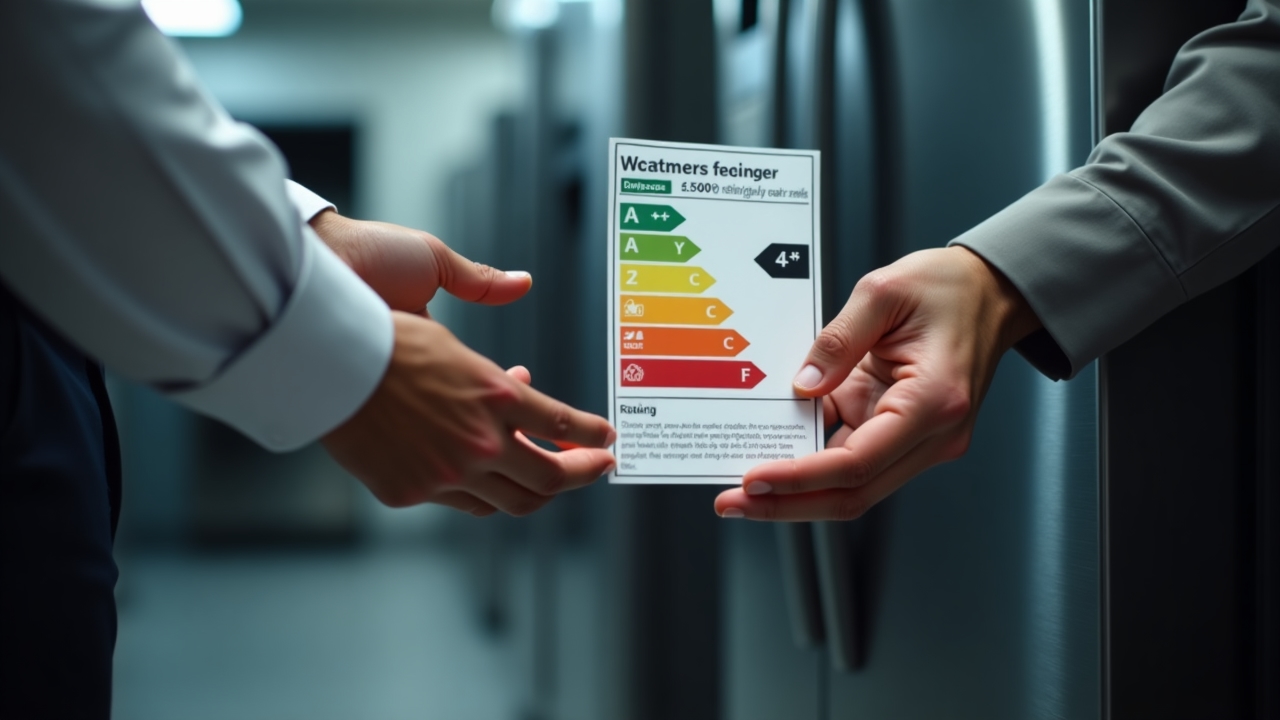
An efficient A++ class refrigerator costs more initially but saves up to $15,000 annually on electricity. A front-loading washing machine uses 50% less water. Research before buying: the cheapest option is rarely the most economical long-term.

Preventive Maintenance

Investing in regular maintenance prevents costly repairs. Annual water heater service costs $5,000 but prevents $50,000 breakdowns. Gutter cleaning, electrical installation review, and humidity control are investments that protect your assets.

Insulation Improvements

Weatherstripping, thermal curtains, and window sealing are investments recovered in one season. Initial cost of $20,000-30,000 is offset by 25% savings in heating and cooling. Also consider roof insulation if possible.

Quality Tools

Buying good quality basic tools prevents repeated expenses on minor repairs. A basic set of $15,000 allows you to solve small problems without calling technicians. Learn online tutorials for simple tasks.

When NOT to Invest

Avoid "investments" in latest technology that depreciates quickly. Don't buy on credit with high interest for non-urgent improvements. Postpone aesthetic renovations if there are unresolved functional needs. Always prioritize safety and functionality over appearance.

Implementation Strategy

Create a household investment fund separate from your emergency savings. Allocate 5% of your monthly income. Research and compare before each major purchase. Take advantage of seasonal offers but don't buy just for discount.

Discover Your Financial Profile

Answer these questions to receive personalized recommendations

1. How would you describe your current relationship with money?

2. How often do you review your expenses?

3. Do you have an emergency fund?

4. How do you make important purchase decisions?

5. What would you like to achieve financially this year?

Connect with Us

Do you have questions about household economics? Need personalized guidance? We're here to help you on your path to financial stability.

Address

España 177, Río Gallegos
Santa Cruz, Argentina

Phone

+54 2966 421918

Email

contact@avanzaencalma.com

Financial wellness

Your data is protected according to Personal Data Protection Law 25.326. Check our Privacy Policy and Cookie Policy.